
29 July 2026
Meet the St. Lawrence Sharks
Share post
Did you know there are more than 500 species of sharks around the world, and that sharks have existed on Earth for longer than trees?
During Shark Week, SNAP Québec is diving into a fascinating, often misunderstood topic that’s far less frightening than many people think: the St. Lawrence sharks.
Sharks of the St. Lawrence
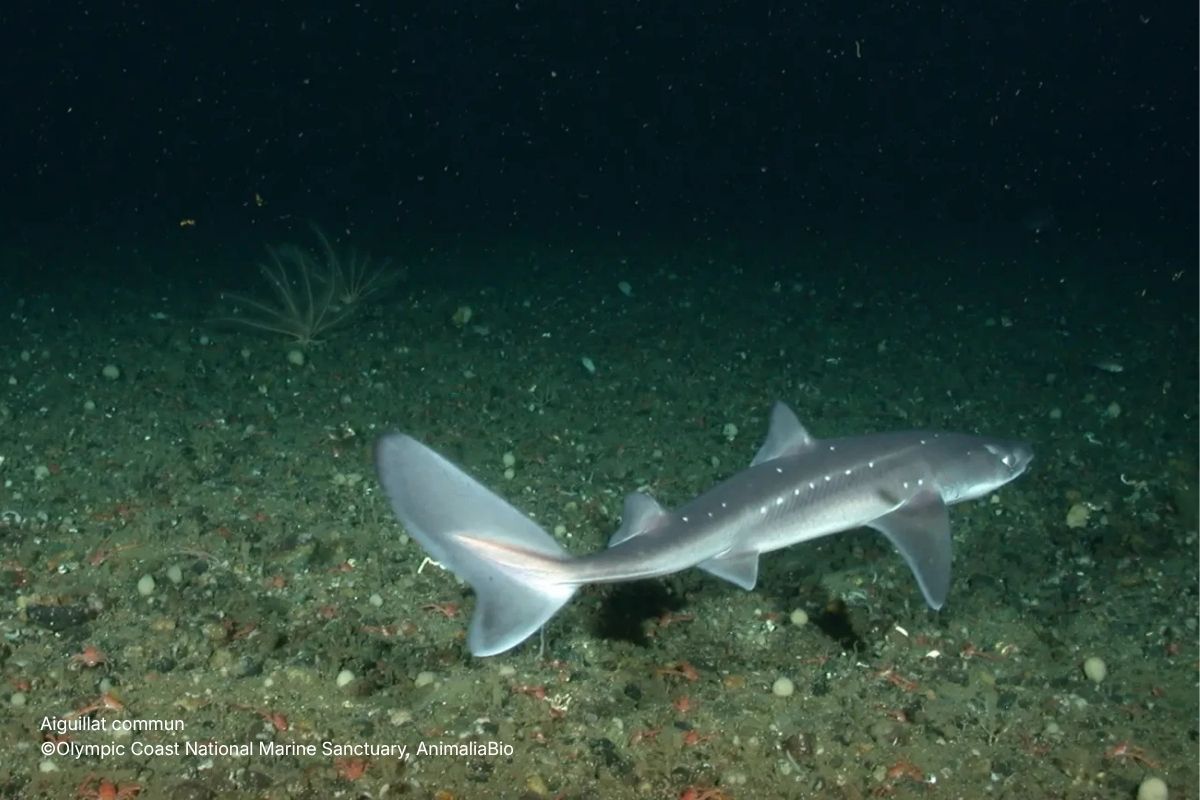
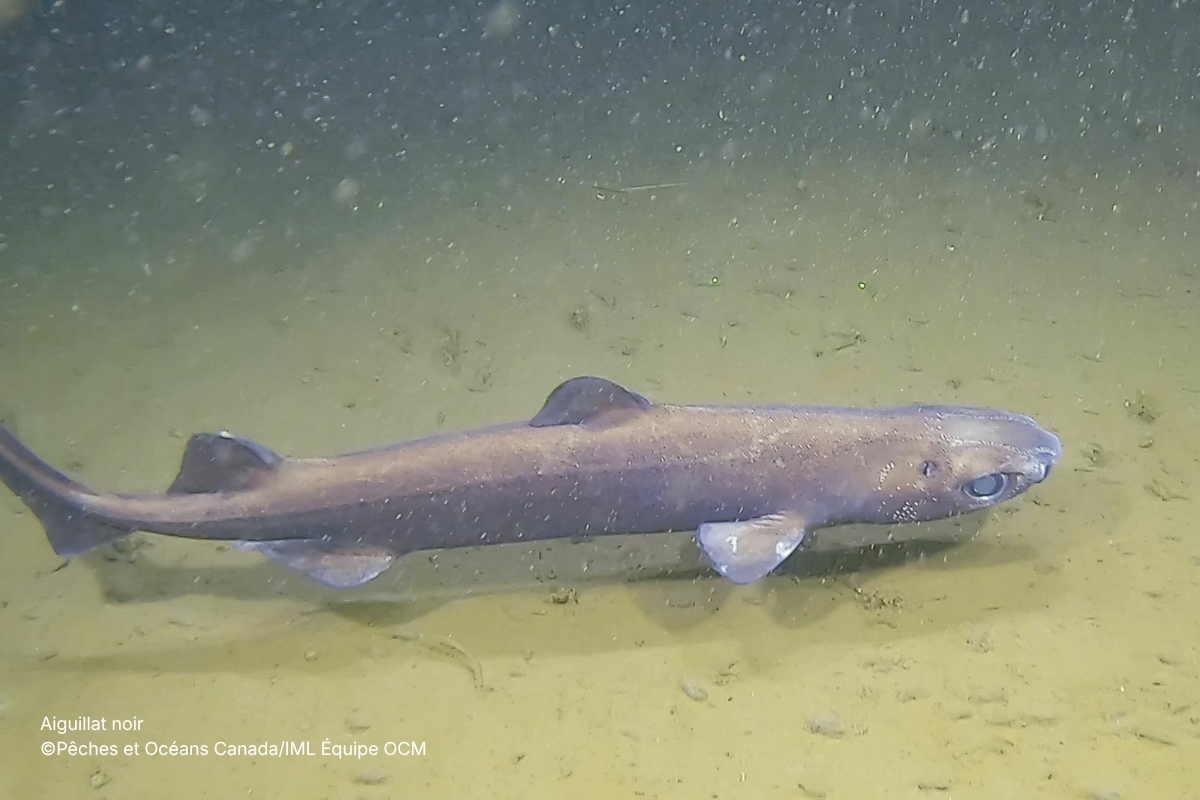
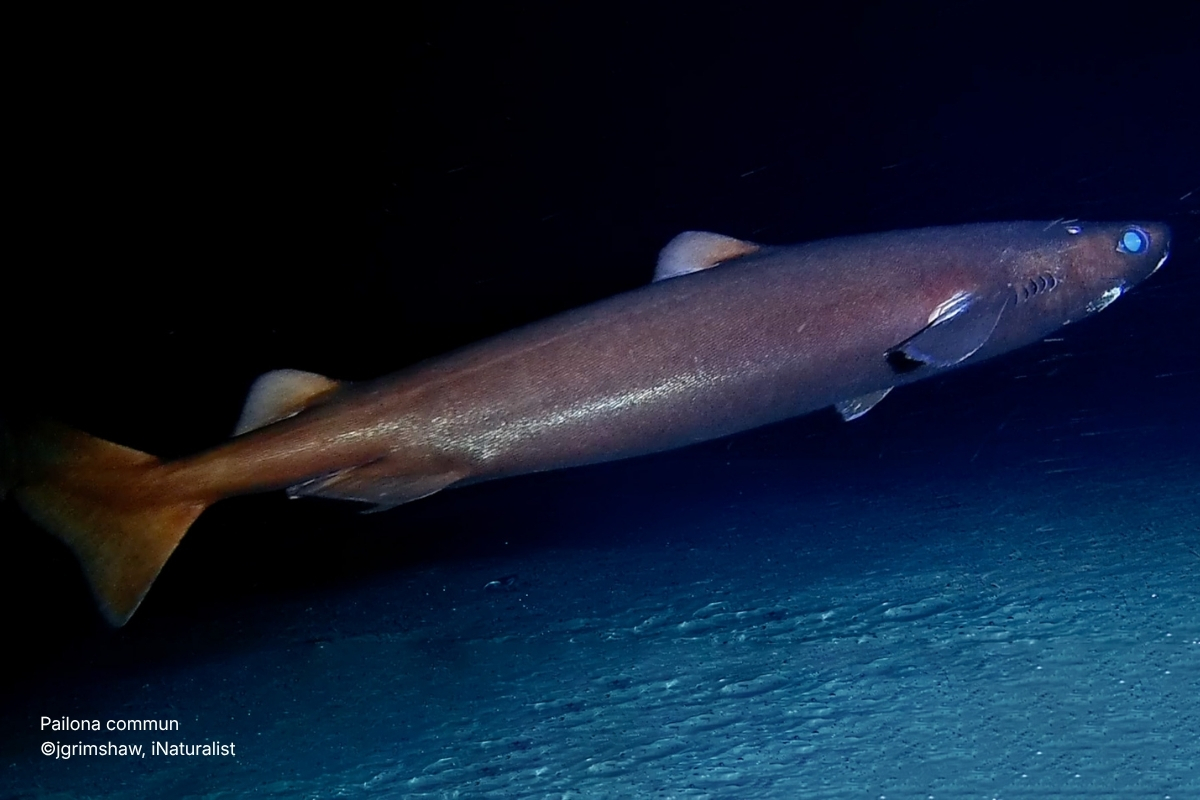
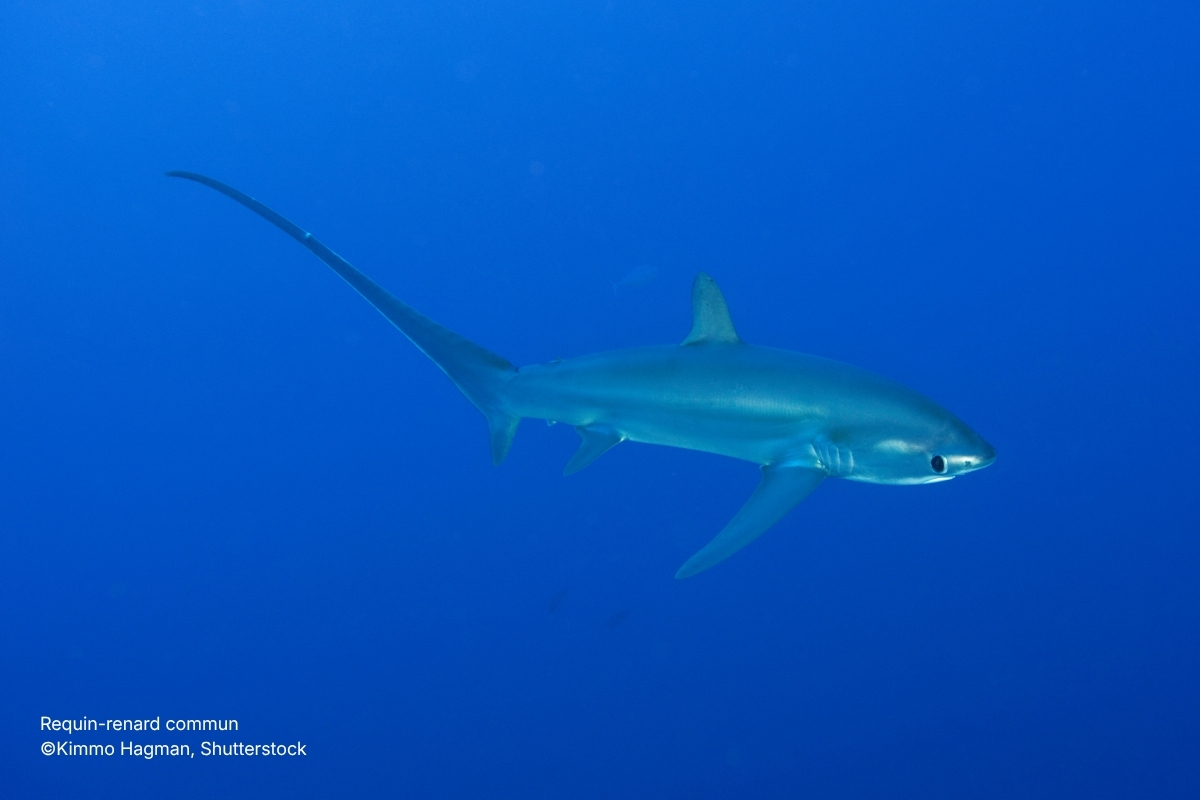
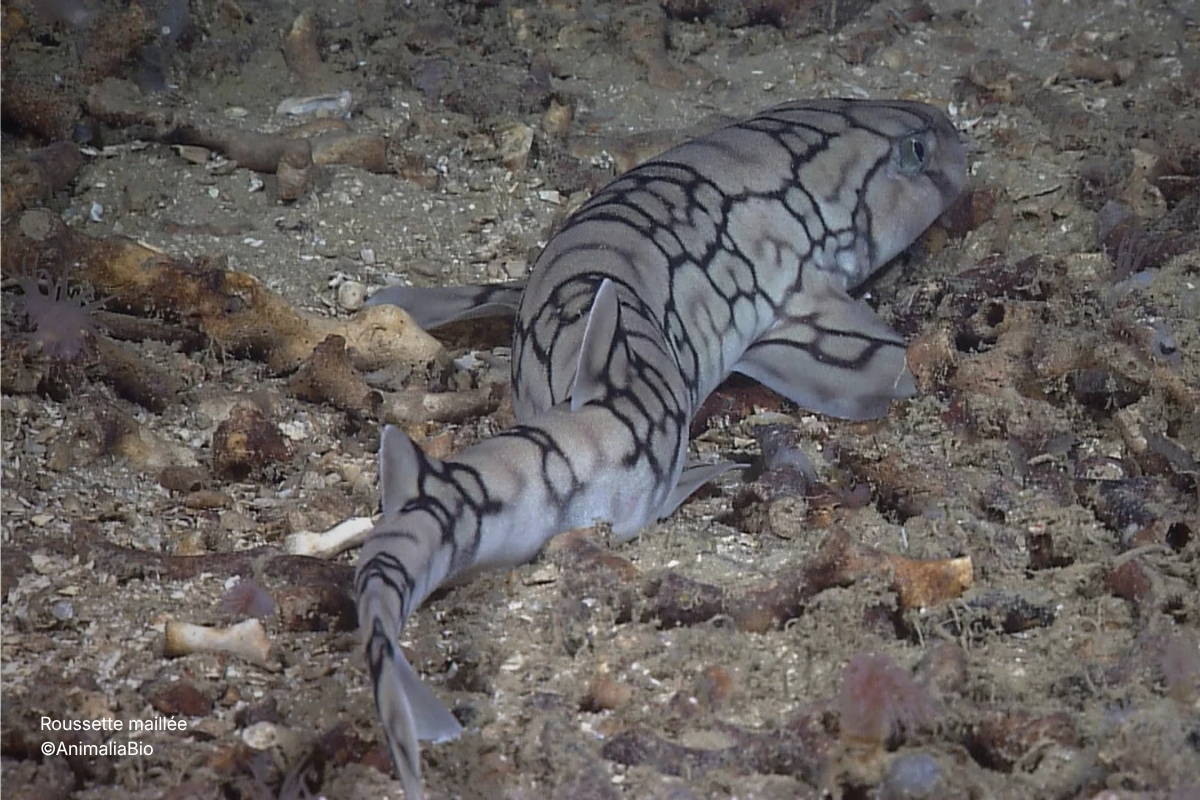
From the estuary to the Gulf, more than 11 shark species have been recorded in the St. Lawrence. While some are considered rare visitors, others inhabit our saltwater ecosystems seasonally or even year-round.
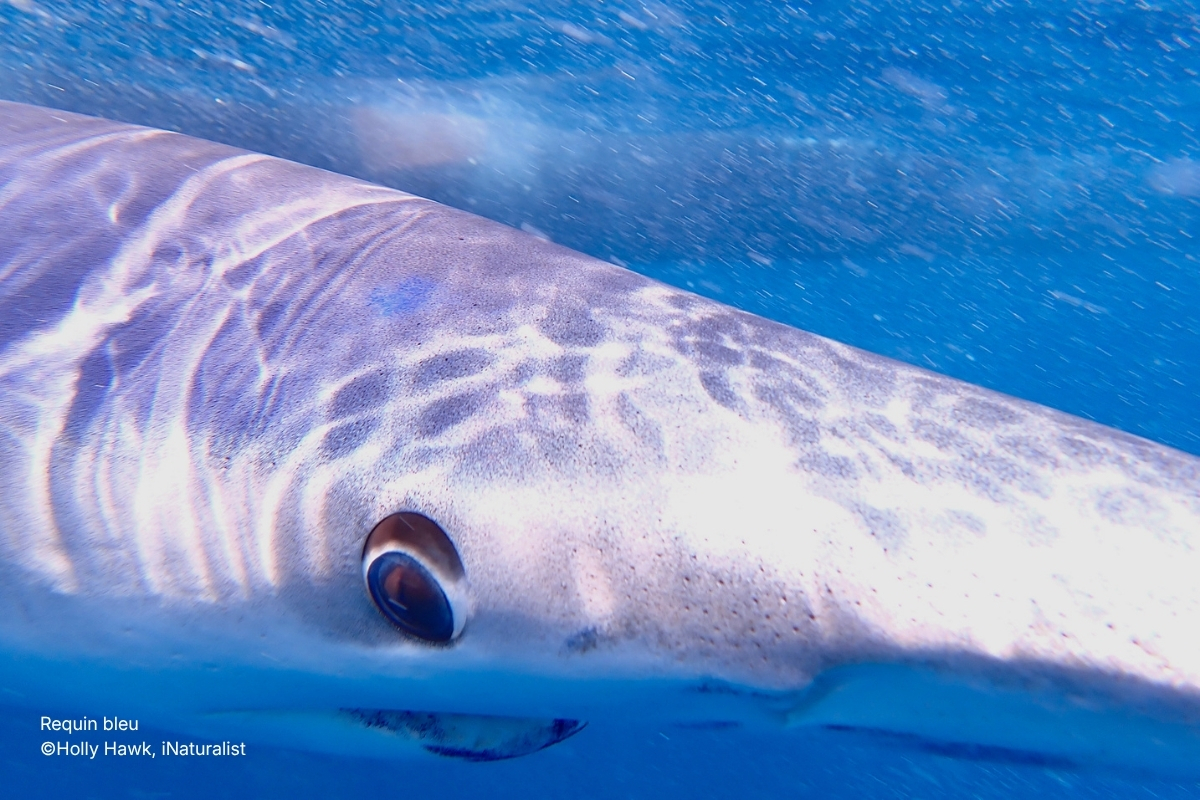
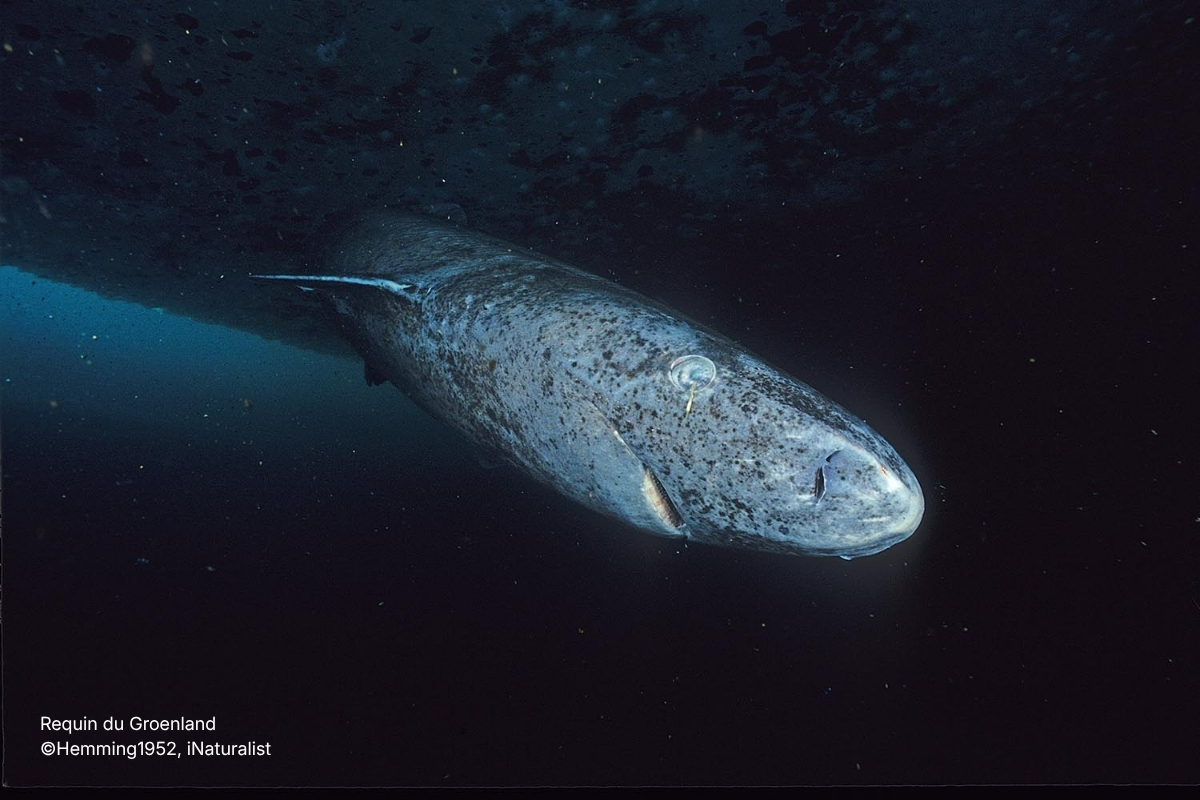
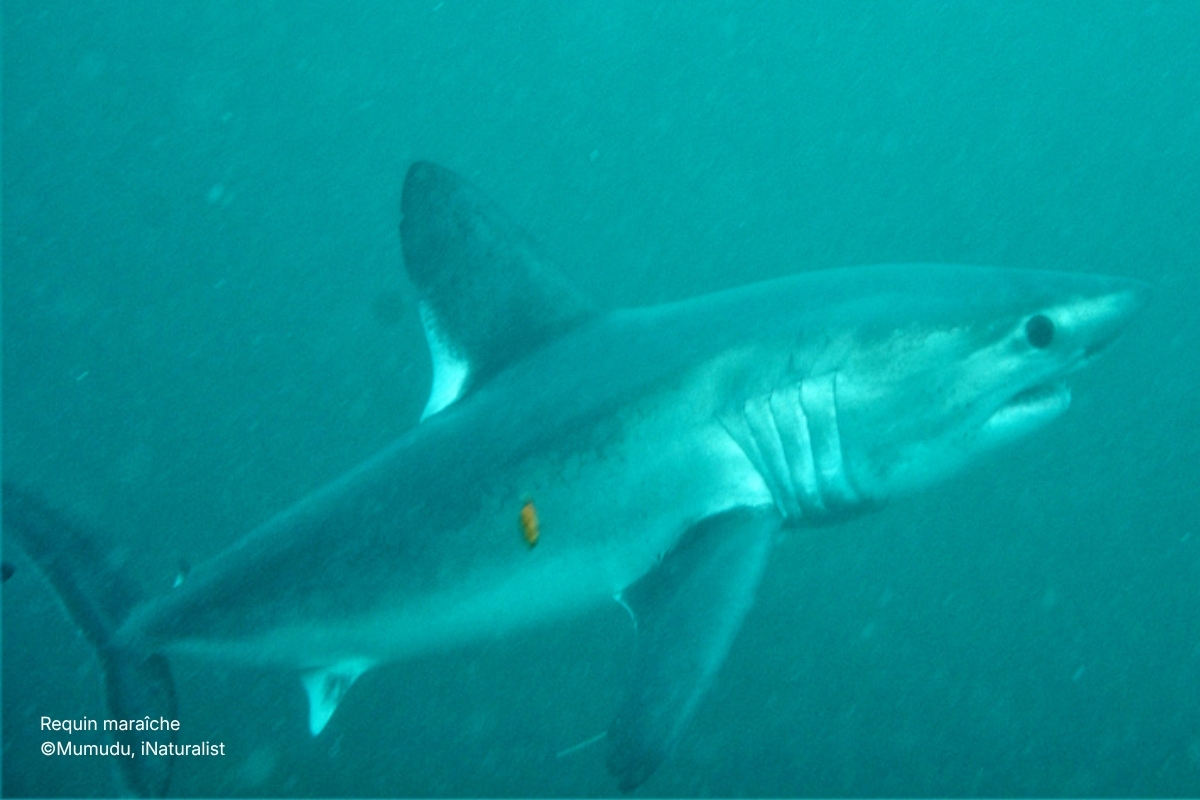
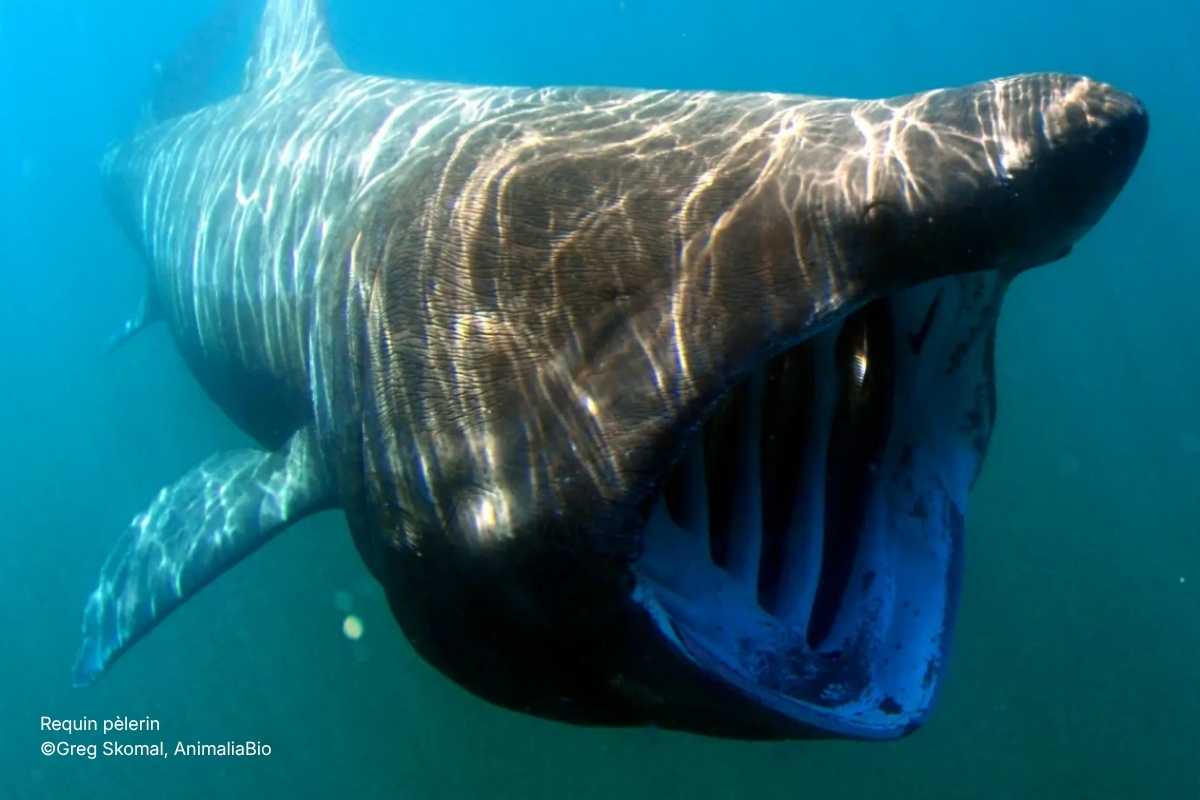
The conservation status of St. Lawrence sharks
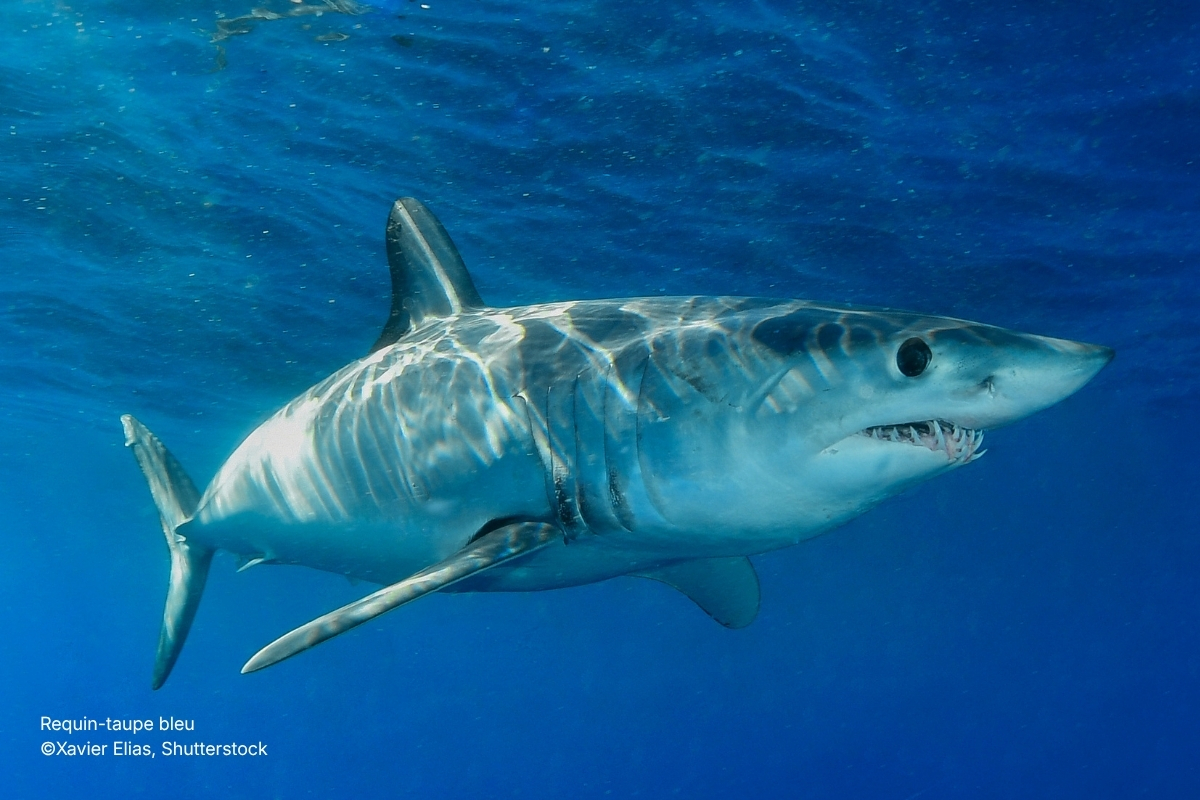
Although their conservation status varies from one species to the other, several of these shark species are currently of special concern or endangered in Canada, according to COSEWIC.
Of special concern
- Spiny dogfish
- Greenland shark
- Basking shark
Endangered
- Shortfin mako shark
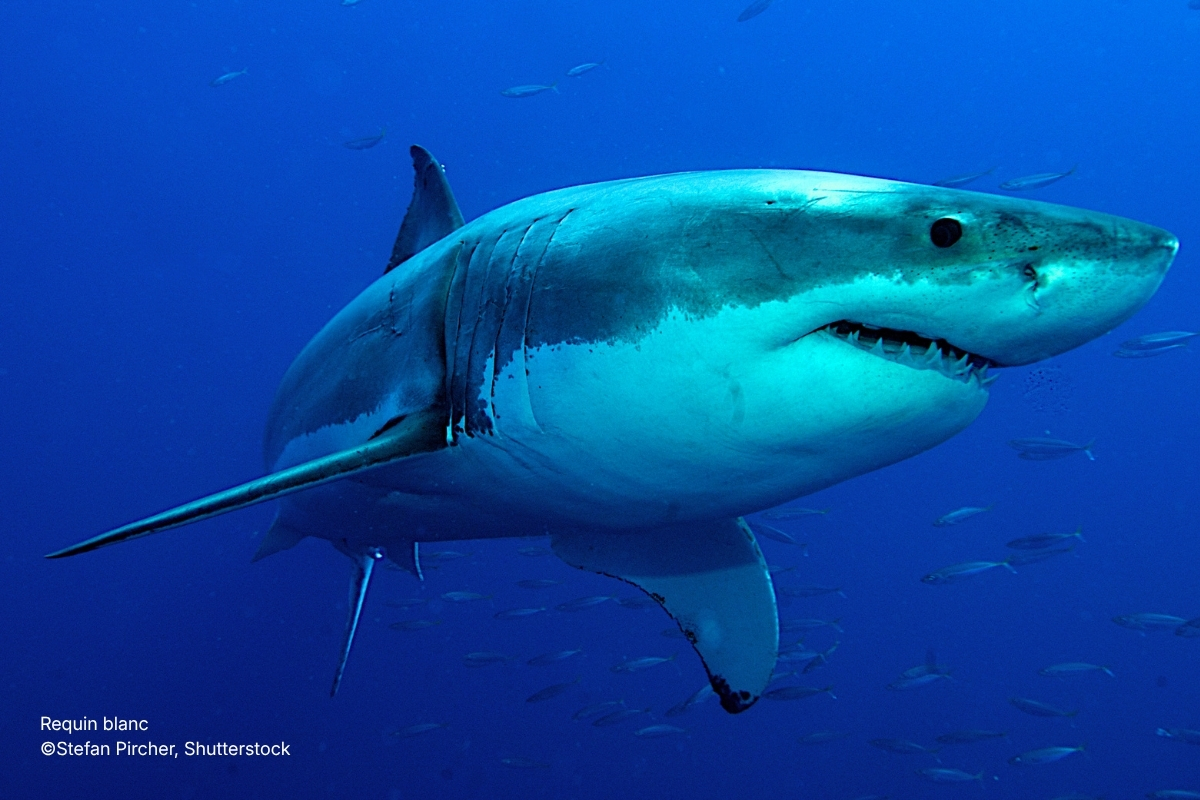
- White shark
- Porbeagle shark
Fortunately, a range of conservation measures, along with public awareness and education initiatives, can help support their recovery.
A fin-tastic collaboration
To support these efforts, SNAP Québec has recently begun collaborating with UQAM researchers on the presence of white sharks in the St. Lawrence. These sharks are observed every year throughout the Gulf (Lower North Shore, Anticosti Island, Sept-Îles, the Magdalen Islands, and the Gaspé Peninsula) as well as in the Estuary and are frequently observed in some areas targeted for marine protected area projects supported by SNAP Québec, includingthe tip of the Gaspé Peninsula.
White sharks are not newcomers to the St. Lawrence; historical accounts and Mi’kmaq oral tradition both describe encounters with these apex predators dating back several centuries. Today, three main hypotheses have been proposed to explain the recent increase in great white shark sightings in the St. Lawrence:
- First, warming waters in the St. Lawrence River caused by climate change could extend the period during which juveniles and subadults visit us.
- Second, it is quite possible that the numerous conservation measures implemented in recent years are gradually allowing this species to recover.
- Finally, the prevalence of portable technologies (smartphones, drones) and the accessibility of social media are also contributing to making it easier to capture and share these chance encounters between humans and sharks.
These observations, together with ongoing research, will help us better understand how marine protected areas can benefit these remarkable animals while also informing best practices for safely and peacefully coexisting with them.
We all have a role to play in protecting the sharks of the St. Lawrence. Spread the word and learn more. Sharks will never cease to amaze us!
*The information presented in this blog comes from The St. Lawrence Shark Observatory
Meet the St. Lawrence Sharks
During Shark Week, SNAP Québec is diving into a fascinating, often misunderstood topic that’s far less frightening than many people…

September 2044: Earth Overshoot Day Is Pushed Back for the 15th Consecutive Year
September 2044 September 2044: Earth Overshoot Day Is Pushed Back for the 15th Consecutive Year Thanks to ambitious policies implemented…
On their ancestral territory, Cree voices are rising in support for the Aweshiish Protected Area
On the ancestral territory of the Cree First Nations of Waswanipi and Ouje-Bougoumou, voices are rising – voices rooted in…