
9 July 2025
Share this content
On June 6th, dozens of representatives from the academic, scientific, environmental, financial and international cooperation sectors gathered at the invitation of SNAP Québec and the UQÀM Institute of Environmental Sciences (ISE) to discuss the necessary transformations to be made in our economy and in our society to reverse biodiversity loss.
Nearly 130 people gathered to participate in this important discussion.
Defining the underlying causes and transformative changes
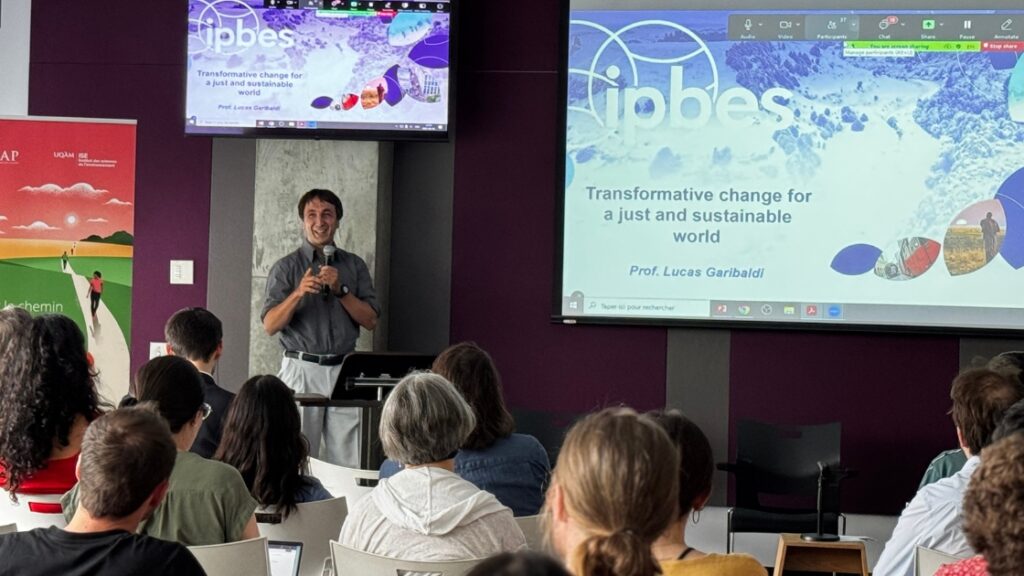
The guest of honour at this event, Dr. Lucas Alejandro Garibaldi, Chair of the IPBES Work Program on Transformative Change, presented the latest scientific findings on transformative change. He emphasized that disconnection from nature, inequalities, and the prioritization of short-term gains are the root causes of today’s environmental crises.
An in-depth reorganization of our economic, technological, and social systems, including our societal values, are needed. These transformative changes are urgent and necessary, but they are also possible. In fact, they are already underway.
The IPBES has documented several hundred transformative initiatives, of which Dr. Garibaldi gave several examples to illustrate the priority strategies to be deployed to bring about transformative change. Female leadership in defending waterways or managing marine resources, ecological calendars, agroecology, taxes on petroleum products, and tree hugging are examples of solutions that are already bearing fruit and should be replicated and amplified.
Two panels provided a more in-depth examination of the necessary transformations.
Necessary economic and sociocultural changes
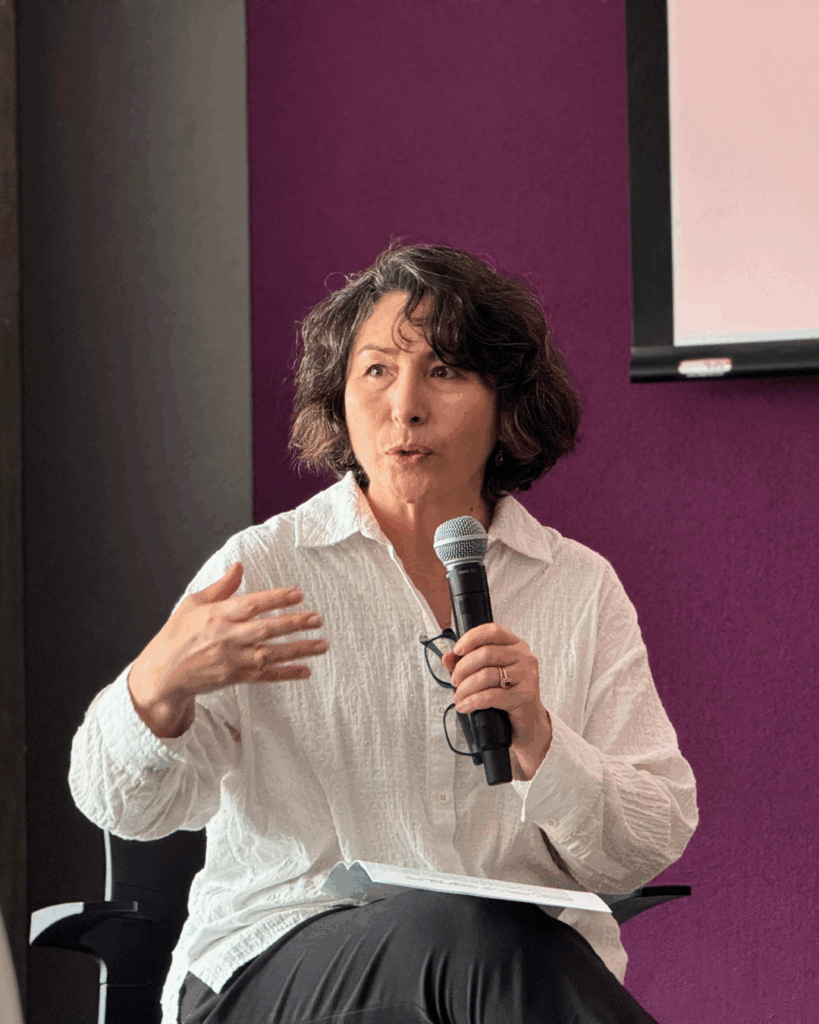
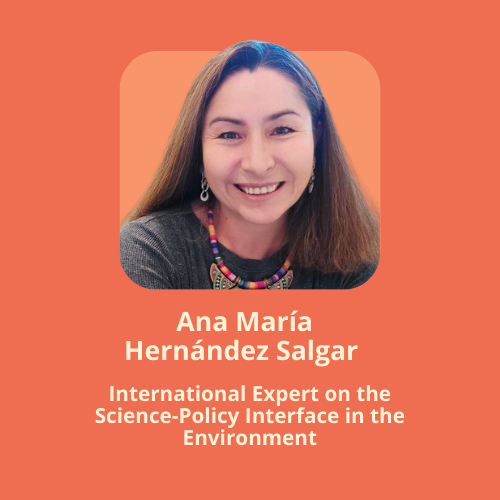
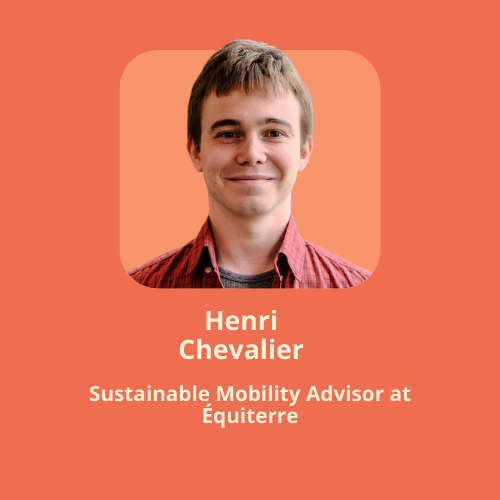
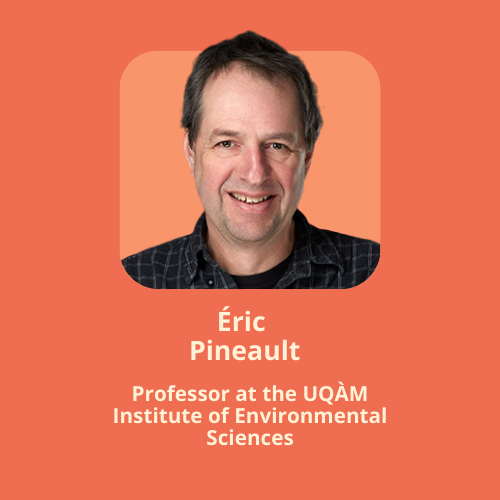
A panel on economic transformation brought together Ana María Hernández Salgar, an international expert on environment-related science-policy interface, and former chair of IPBES, Henri Chevalier, sustainable mobility advisor at Équiterre, and Éric Pineault, professor at the UQÀM Institute of Environmental Sciences .
The three speakers emphasized the urgent need for profound economic transformations, calling for the breakdown of institutional silos, the democratization of resource allocation in the face of extractivism, and the reevaluation of our production and consumption models to remain within planetary boundaries.
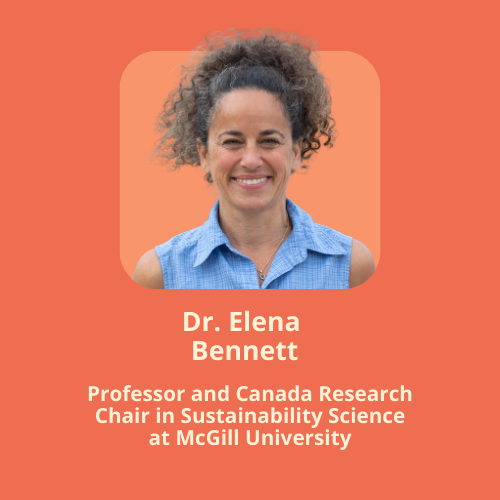
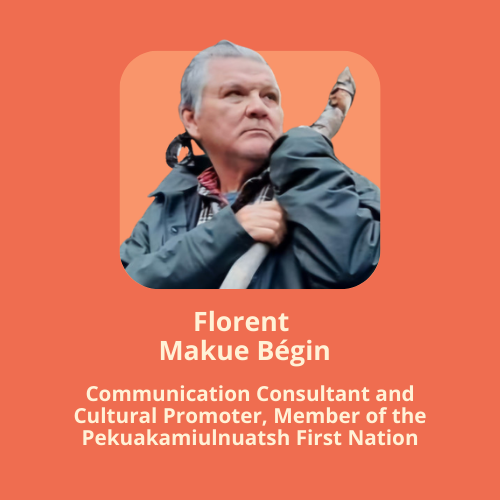
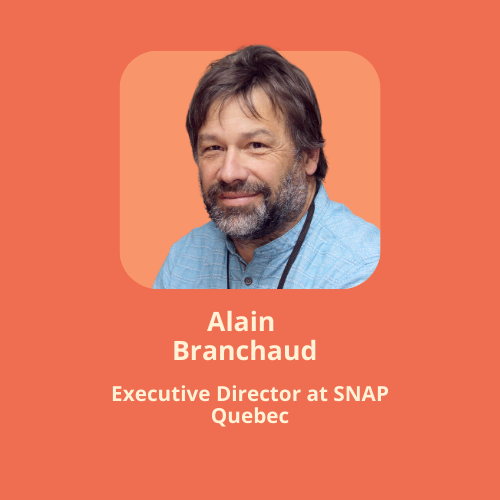
The second panel focused on sociocultural transformations, with Elena Bennett, professor and Canada Research Chair in Sustainability Science at McGill University, Florent Makue Bégin, member of the Pekuakamiulnuatsh First Nation, and Alain Branchaud, executive director at SNAP Québec.
The three speakers highlighted the need to reestablish a respectful, holistic, and sensible relationship with nature, emphasizing care, the evolution of cultural perceptions and values, as well as Indigenous knowledges as vital catalysts for socio-cultural change.
See you at the next COP
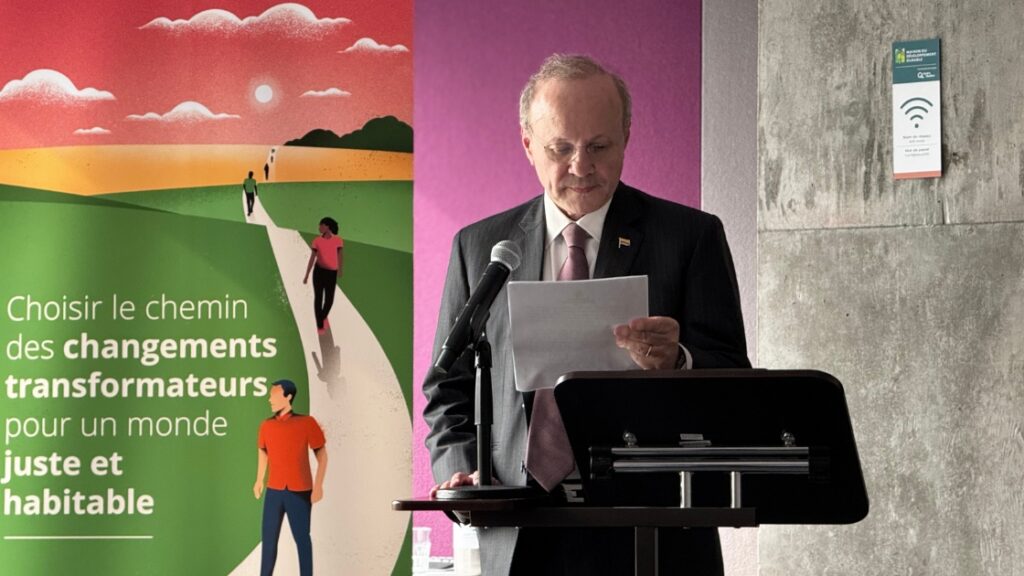
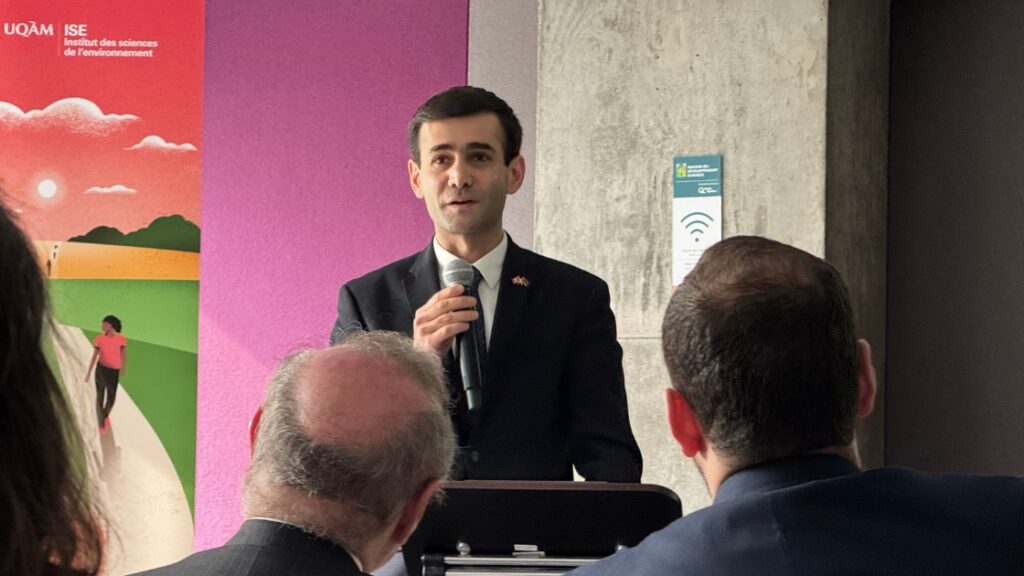
The event concluded with addresses from Colombia delegates, host of COP16, and Armenia delegates, who will host COP17 next year.
Ambassador Mauricio Baquero Pardo, Consul General of Colombia in Montreal, reaffirmed that Colombia embraces the concept of transformative change as defined by IPBES, and that events such as the one held on June 6th are essential for rethinking our paradigms and restoring our relationship with nature.
Gor Yedigaryan, Second Secretary of the Armenian Embassy, expressed their readiness to incorporate the IPBES recommendations into the COP17 and to ensure the involvement of all stakeholders in the pursuit of the goal of living in harmony with nature by 2050.

B-Economy
SNAP Québec is launching the international B-Economy initiative, which aims to bring together those who want to transform our economic…
Celebrating the Magpie River on World Rivers Day!
Every year on the fourth Sunday in September, people around the world celebrate the many values of Earth’s waterways. It’s…
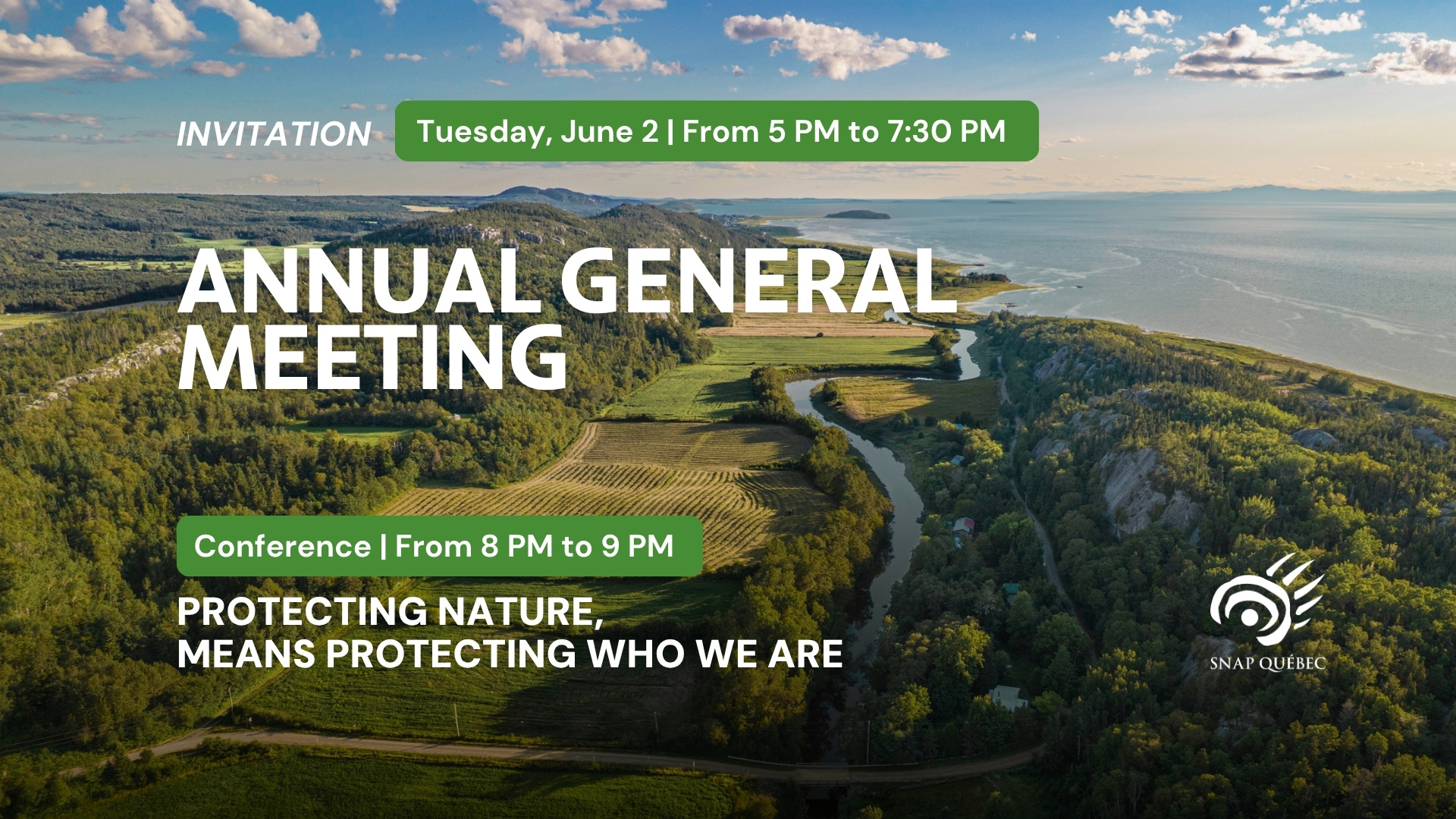
Join us for the SNAP Québec Annual General Meeting and the conference “Protecting Nature Means Protecting Who We Are” on June 2nd!
On Tuesday, June 2nd, SNAP Québec invites you to participate in its Annual General Meeting, which will be followed by…